

While many brands showcased futuristic AI hardware at CES 2026, Wyze focused on optimizing existing products, strengthening Alexa integration, and improving affordable smart security solutions.
📌 Wyze Chose a Different Path at CES 2026
At CES 2026, most smart security brands focused on:
- AI-powered automation
- Robot-based security systems
- Advanced edge computing
- Multi-sensor ecosystems
But Wyze took a very different approach.
Instead of launching flashy new hardware, the company focused on:
✔️ Improving existing products
✔️ Strengthening ecosystem integration
✔️ Optimizing user experience
✔️ Enhancing AI detection features
This strategy may look conservative.
But in reality, it reflects a deeper shift happening inside the smart home industry.
🧠 CES 2026 Was Dominated by AI
CES 2026 showcased a wave of AI-powered consumer technology, including:
- Generative AI televisions
- Autonomous lawn robots
- AI-assisted smart home ecosystems
- Multi-platform tracking devices
The smart security industry is rapidly moving toward:
AI-driven automation and ecosystem integration.
Instead of competing in a hardware race, Wyze focused on improving value and usability.
Blink Mini 2 Became the Center of Wyze’s CES Strategy
Wyze’s major update focused on:
Blink Mini 2
The company enhanced:
✔️ Dynamic range
✔️ AI person detection
✔️ Motion filtering
✔️ Alexa integration performance
The goal was clear:
👉 Deliver smarter security without dramatically increasing hardware cost.
Why This Matters
Many consumers no longer want:
❌ Complicated installations
❌ Expensive subscriptions
❌ Overengineered systems
They want:
✅ Affordable smart security
✅ Reliable AI detection
✅ Easy ecosystem integration
✅ Flexible storage options
This is exactly where Wyze continues positioning itself.
🤖 AI Detection Is Becoming the New Battleground
One of the biggest trends in 2026 smart security is:
AI event filtering
Consumers increasingly expect cameras to distinguish between:
- Humans
- Pets
- Vehicles
- Environmental movement
because false alarms remain one of the biggest frustrations in home security.
Blink Mini 2 vs Major Competitors
Compared with brands like:
- Arlo
- Google Nest
- TP-Link Tapo
Blink Mini 2 focuses heavily on:
✔️ Entry-level affordability
✔️ Basic AI detection
✔️ Alexa ecosystem optimization
✔️ Local storage flexibility
🔍 Competitive Positioning Comparison
| Brand | Core Strength |
|---|---|
| Arlo | Premium AI accuracy |
| Google Nest | Deep ecosystem intelligence |
| Tapo | Multi-platform compatibility |
| Wyze Blink Mini 2 | Affordable smart security |
Subscription Fatigue Is Becoming Real
Another major industry trend is:
Consumers are getting tired of subscriptions.
Many users dislike paying monthly fees simply to access:
- Video history
- AI notifications
- Cloud storage
Wyze addresses this by offering:
✔️ Local storage options
✔️ Sync Module support
✔️ Basic AI functionality without subscription
This makes the product attractive for budget-conscious users.

Ecosystem Wars Continue
One limitation of Wyze’s strategy is ecosystem compatibility.
Currently, Wyze focuses mainly on:
Amazon Alexa integration
while competitors increasingly support:
- Google Home
- Apple HomeKit
- Matter protocol
This creates both:
✅ Simplicity advantages
and
⚠️ Ecosystem limitations.
Why Wyze Still Matters in the Global Market
Despite growing competition, Wyze remains important because it proves:
Affordable AI security still has huge demand.
Not every customer wants:
- 4K premium cameras
- Enterprise-level AI
- Expensive smart home ecosystems
Many consumers simply want:
✔️ Easy setup
✔️ Reliable alerts
✔️ Low cost
✔️ Smart automation basics
And this market segment remains enormous globally.
What Security Brands Can Learn from Wyze
Wyze’s CES 2026 strategy highlights several key lessons:
1️⃣ Not every innovation requires new hardware
Software optimization matters.
2️⃣ AI accessibility matters more than complexity
Consumers prefer usable AI over excessive features.
3️⃣ Subscription-free options remain attractive
Local storage continues gaining popularity.
4️⃣ Ecosystem integration drives customer loyalty
Voice assistant compatibility influences purchasing decisions.
Industry Trend: Smart Security Is Becoming More Segmented
The market is no longer one-size-fits-all.
Different users now prioritize different factors:
| User Type | Priority |
|---|---|
| Budget users | Affordability |
| Premium users | AI precision |
| Smart home users | Ecosystem integration |
| Outdoor users | Solar & low power |
| Privacy-focused users | Local storage |
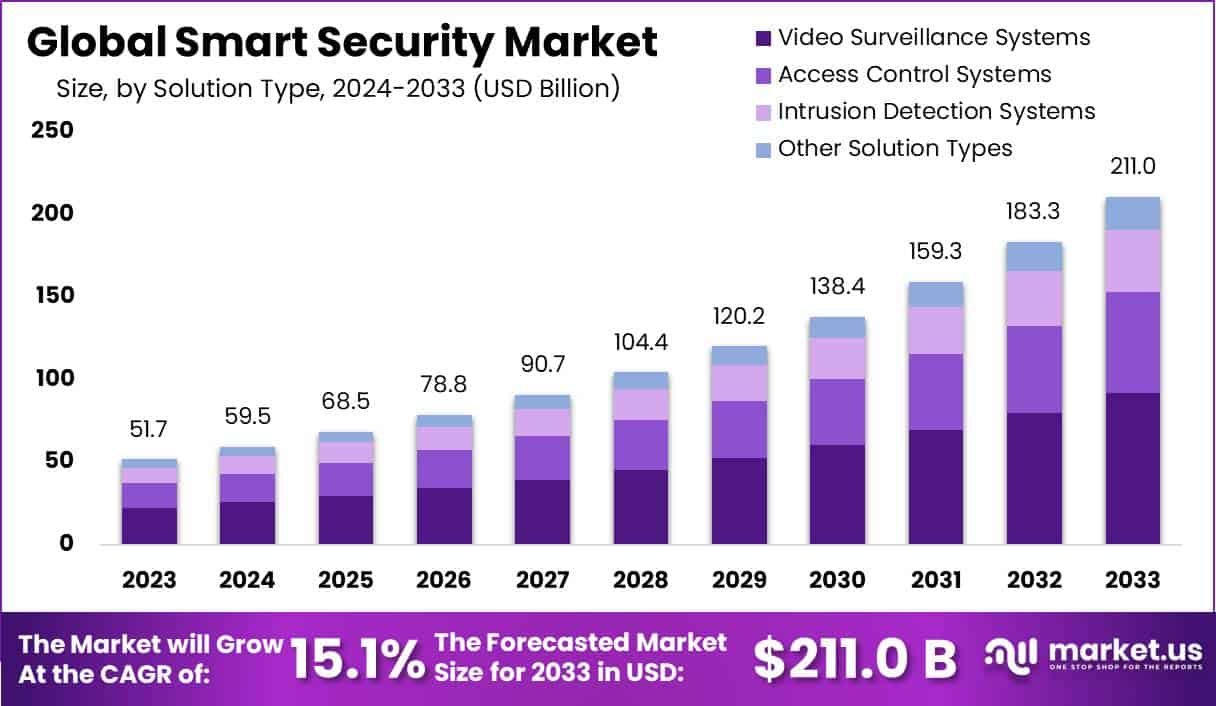
This segmentation creates huge OEM and ODM opportunities.
Final Thoughts
Wyze may not have launched revolutionary hardware at CES 2026.
But their strategy revealed something important:
The future of smart security is not only about more technology.
It is also about:
✔️ Better usability
✔️ Affordable AI
✔️ Flexible storage
✔️ Ecosystem simplicity
✔️ Smarter software optimization
Sometimes, refining the experience can be more powerful than launching another device.
Looking for Smart AI Security Solutions?
At SNOSECURE, you can access:
✔️ AI-powered WiFi cameras
✔️ Solar security systems
✔️ 4G low-power surveillance
✔️ Smart home camera OEM & ODM services
🌐 www.camhiprocam.com
📲 WhatsApp: +86-185-6568-6066
